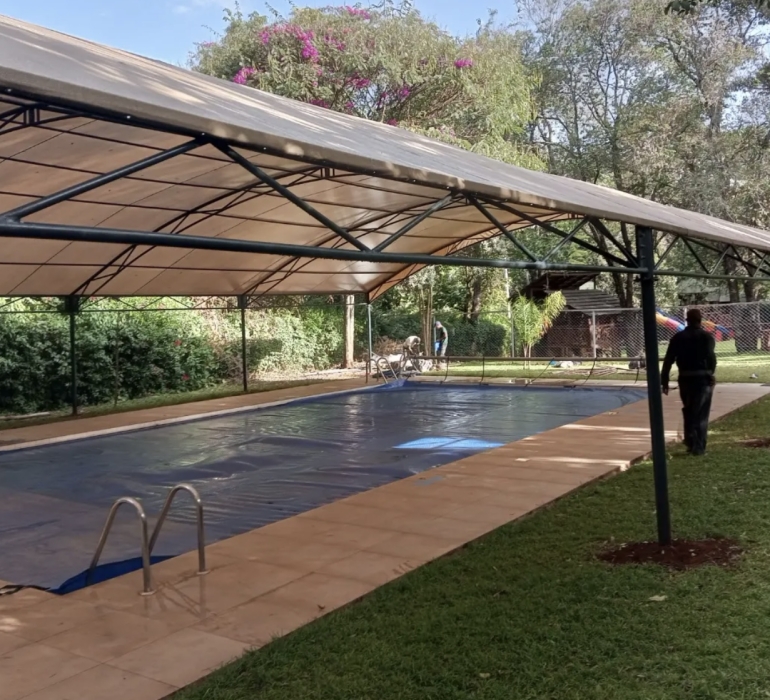
Glass patio and terrace enclosures transform underutilized outdoor areas into versatile, year-round living spaces. They provide absolute protection from wind, rain, and dust, drastically reduce outside noise, and keep out pests while maintaining unobstructed, naturally lit views of the outdoors.
Here is a breakdown of the primary benefits of installing a glass enclosure:
- Year-Round Usability: Enclosures create a transitional climate-controlled space. Whether it is hot, windy, or raining, you can enjoy your terrace or patio comfortably without worrying about the elements.
- Protection for Furniture: Open outdoor areas expose items to harsh UV rays, dust, and rain. Glass limits fading and weather damage, extending the lifespan of your outdoor furniture and providing a safe, warm space for potted plants during the winter.
- Energy Efficiency & Temperature Control: An enclosed patio acts as a thermal buffer between your home’s interior and the outside. It traps warmth during cooler months and—if using tinted or solar control glass—blocks unwanted solar heat gain in the summer.
- Enhanced Security & Privacy: Glass walls provide a lockable, physical barrier. They stop intruders, wildlife, and debris from accessing your outdoor seating, while also reducing visibility from neighbors.
- Reduced Cleaning Time: Without an enclosure, outdoor patios quickly gather dust, leaves, and bird droppings. A glass barrier keeps the space clean, saving you hours of sweeping and maintenance.
- Increased Property Value: Enclosing a patio adds functional, usable square footage to your floor plan. It drastically improves the curb appeal and aesthetic modernity of your property, making it a highly attractive feature for future buyers.